
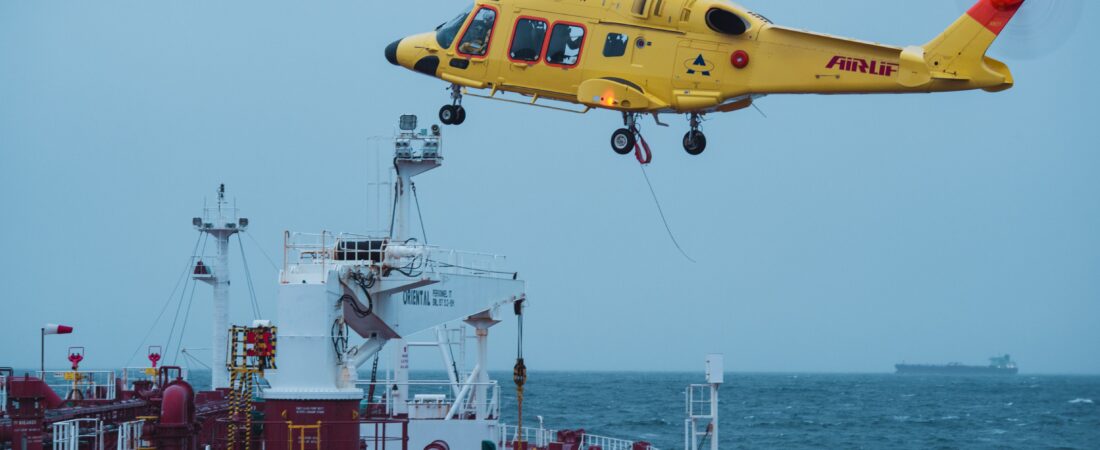
Packing for an offshore rotation is nothing like packing for a regular trip. There’s no rolling suitcase, no “I’ll just buy it when I get there,” and no room for guesswork. You’re heading into weeks of 12-hour shifts, shared quarters, and strict logistics — often in a country like Angola, where the climate, the electrical system, and even the helicopter you’ll board all come with their own rules.
Having spent time navigating the logistics of Angola’s offshore sector firsthand, we put together this guide to help you pack smart the first time — not after a hard-learned lesson on the platform.
1. Luggage: Why Duffel Bags Beat Suitcases Offshore
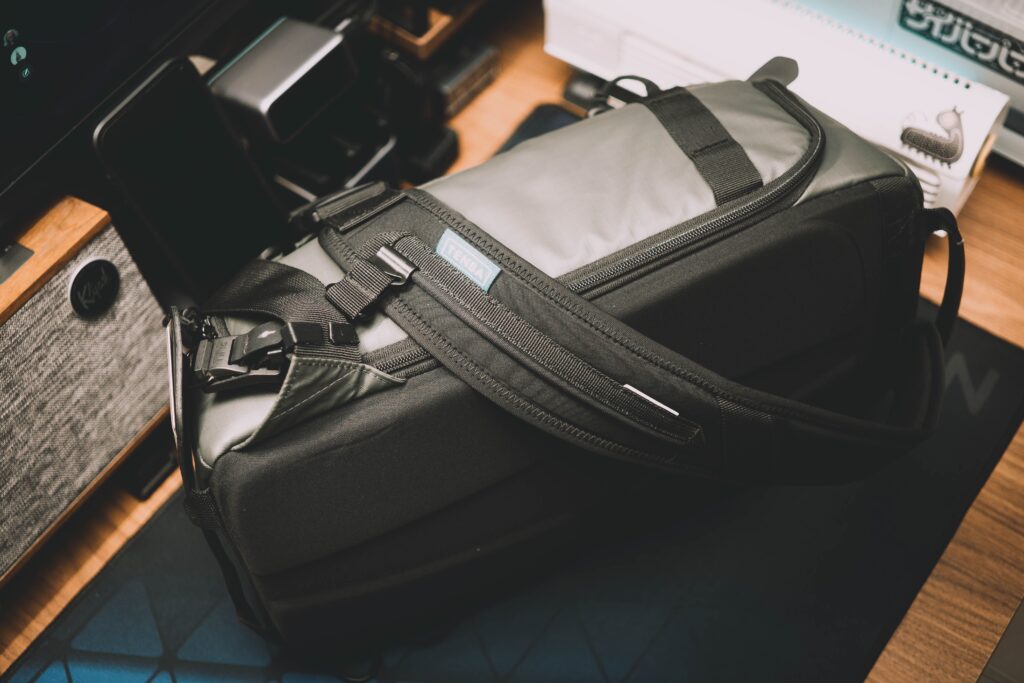
Forget your regular travel suitcase. Most offshore operators — and the helicopters that get you to the platform — don’t accept hard-shell luggage with wheels. Soft-sided bags are easier to stow, and most companies enforce a strict weight limit per bag (typically 25–35 lbs / 11–16 kg).
What to bring:
- A durable, water-resistant duffel bag (40–50L) for clothing and personal items
- A separate, smaller bag dedicated only to your personal PPE
👉 Look for a Durable water-resistant duffel bag, 40-50L 👉 Get your Compact PPE gear bag now and simplify your trip.
Tip: Confirm your operator’s exact baggage weight limit before you pack — helicopter cargo restrictions are enforced strictly, and overweight bags are often left behind.
2. Personal PPE: What to Bring Even When Your Employer Provides Gear
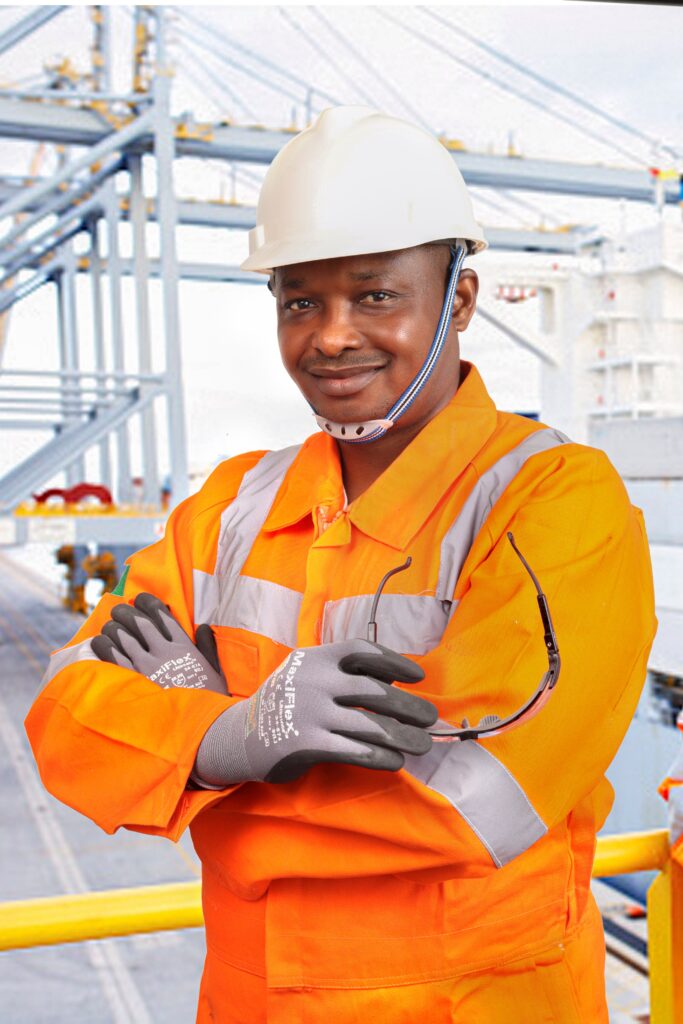
Most operators supply standard personal protective equipment, but experienced offshore workers usually bring a few personal items for a better fit and backup in case anything gets lost or damaged.
What to bring:
- Spare safety glasses — easy to scratch or misplace, and useful to have a backup
- Reusable hearing protection — a properly fitted pair is more comfortable for 12-hour shifts than disposable foam plugs
- Impact-resistant work gloves — for tasks where employer-issued gloves may not be an exact fit
👉 Search for: Safety glasses (2-pack) 👉 Reusable ear protection 👉 Impact-resistant work gloves
Always confirm with your employer exactly what PPE they issue before your first rotation — this avoids duplicate purchases and ensures your personal gear meets site safety standards.
3. Clothing for Angola’s Offshore Climate
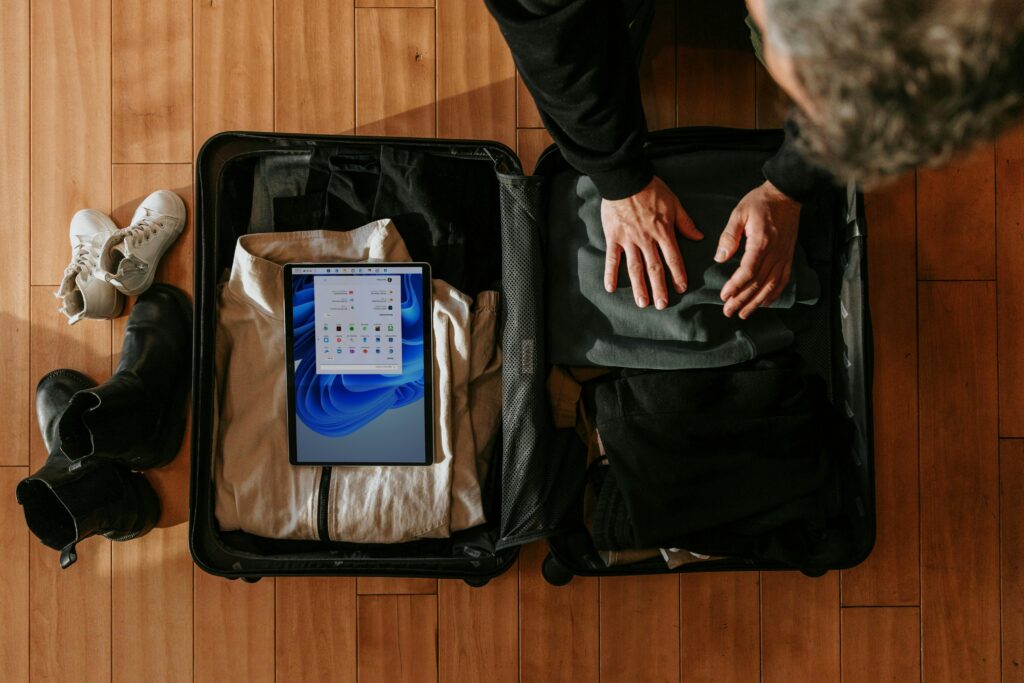
Angola’s coastal climate is hot and humid, but offshore platforms are a different story — strong sea winds and heavily air-conditioned interiors mean you’ll want layers, not just lightweight clothing.
What to bring:
- Breathable t-shirts to wear underneath your flame-resistant coveralls
- Quick-dry socks — consistently the most-recommended item by offshore veterans, since feet take the most punishment during long shifts
- A light jacket or fleece for air-conditioned common areas
- Comfortable off-duty clothing and flip-flops for the shower
👉 Secure yourself with: Breathable moisture-wicking t-shirts 👉 Quick-dry offshore socks 👉 Packable lightweight fleece
Most platforms offer on-site laundry service, so you don’t need to overpack — bring enough for 4–5 days and rotate.
4. Power & Electronics: Angola’s Plug Type Explained
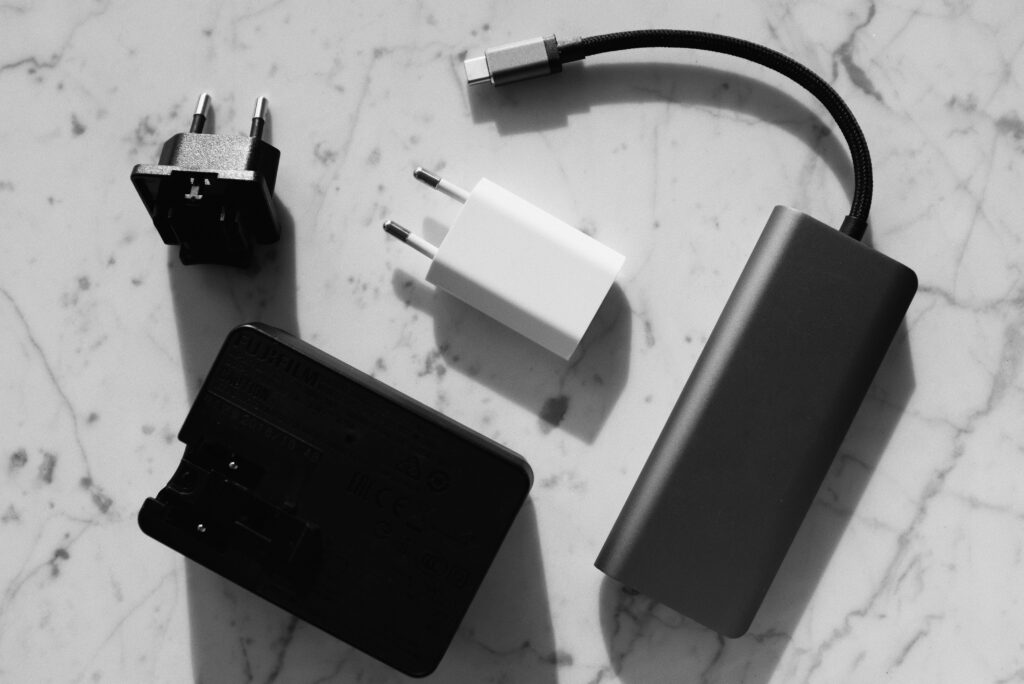
Angola runs on a 220–230V supply at 50Hz, using Type C and Type F plugs — the standard European-style round two-pin sockets. If you’re traveling from the US or UK, you’ll need an adapter, and possibly a voltage converter for non-dual-voltage devices.
What to bring:
- A universal travel adapter (Type C/F compatible)
- A high-capacity power bank — useful given that charging access can be limited on some platforms
- A basic surge protector, since offshore power supply can fluctuate
👉 Universal travel adapter, Type C/F 👉 High-capacity power bank
Important: Many platforms restrict phones, chargers, and other electronics in certain zones due to explosion risk from flammable gases. Always confirm your operator’s electronics policy before you fly out — some helicopters prohibit phones on board entirely.
5. Health & Comfort Essentials for Long Rotations
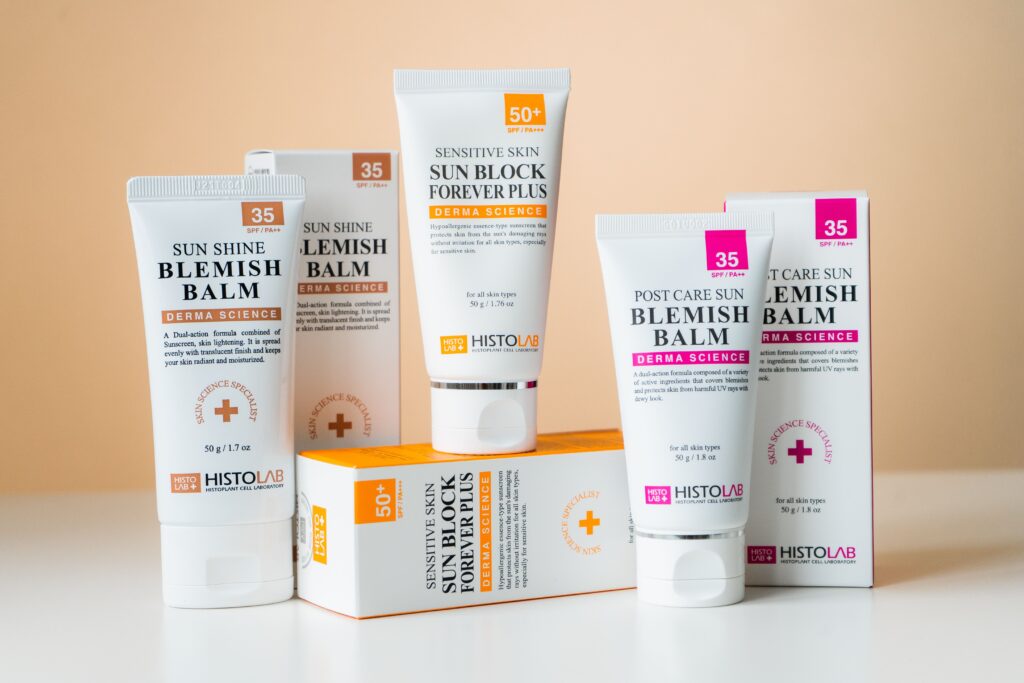
Weeks away from home, combined with sun exposure and physically demanding shifts, mean a few health basics go a long way.
What to bring:
- Broad-spectrum sunscreen — Angola’s coastal sun exposure is intense, even with cloud cover
- A compact personal first-aid kit
- A travel neck pillow for the flight and helicopter transfer
- Skin moisturizer, since offshore conditions (sun, salt air, wind) are hard on skin
👉 Broad-spectrum sunscreen, travel size 👉 Compact first-aid kit 👉 Travel neck pillow
Angola is a malaria-risk area. Speak to a travel health clinic or your doctor well ahead of departure about appropriate prevention — this isn’t something to leave until the week before you fly.
6. What NOT to Bring
Most offshore operators — including those working in Angola — enforce strict rules on prohibited items. Save yourself a confiscation (or worse, a missed flight) by leaving these at home:
- Knives or bladed tools
- Alcohol
- Drones
- Firearms or ammunition
- Fireworks or flammable chemicals
Check with your specific employer, as exact restrictions can vary slightly by operator and platform
Ready for Your Angola Assignment?
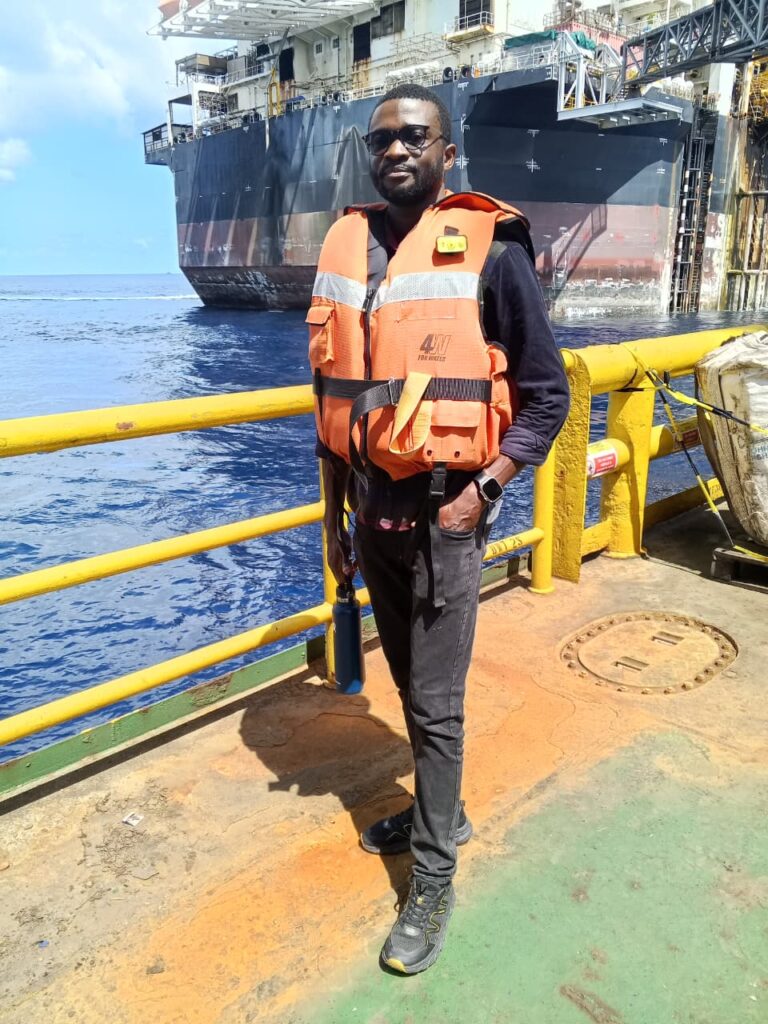
Packing smart is only half the preparation. If you haven’t already, check out our companion guide on The Ultimate Guide to Offshore Travel in Angola for everything on airport logistics, executive accommodations in Luanda, and choosing the right travel insurance for your rotation.
Supremo Mafufu Simão founder note: Having worked offshore in this region, I’ve built this checklist around what actually matters on rotation — not generic travel advice. If there’s something you’d add, let us know at contact@globaltriphelp.com.