
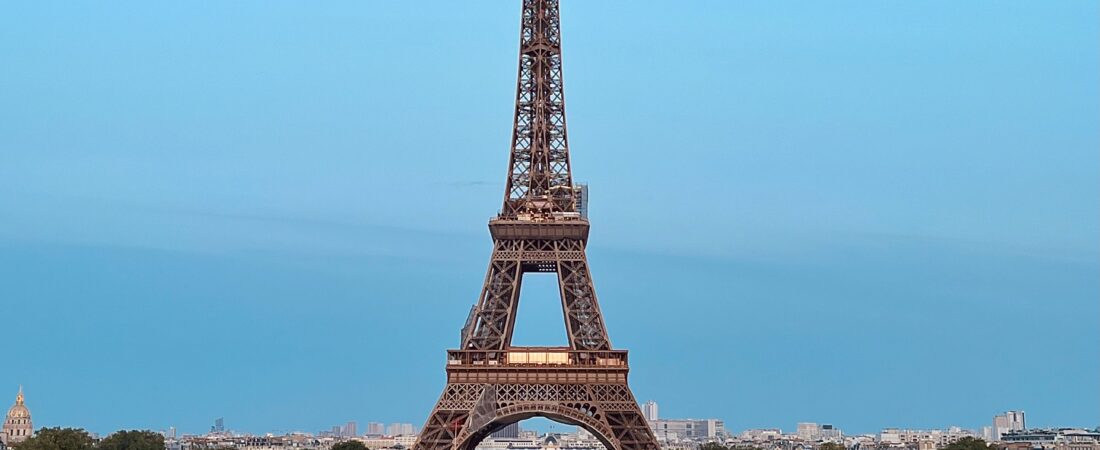
The Eiffel Tower’s iron frame turns a deep, burning orange as the Parisian sun dips below the Seine. You stand on the Trocadéro steps, the chilly evening air hitting your face, waiting for the clock to strike the hour. Then, it happens. Five thousand tiny strobe lights burst into a frantic, glittering dance across the structure. You join the collective gasp of thousands of people standing around you. It is a moment of pure magic, a shared human experience that stays with you forever. Missing this sight means leaving your dream of France incomplete.
Every single year, approximately 7 million visitors make the journey to stand exactly where you are dreaming of standing. They come from every corner of the globe to witness this industrial marvel turned cultural icon. That’s the pull of the Eiffel Tower, even in an age of a thousand other landmarks.
Many travelers stall their dreams because they worry about the planning logistics. The truth is, your journey to the Iron Lady starts with a simple look at your travel options.
👉 Check flight prices to Paris
If you want to catch the Eiffel Tower sunset yourself, the best time to start tracking flights is right now. Finding the right route early takes the stress out of your budget, leaving you more freedom to plan your Parisian adventures.
The History Behind the Icon
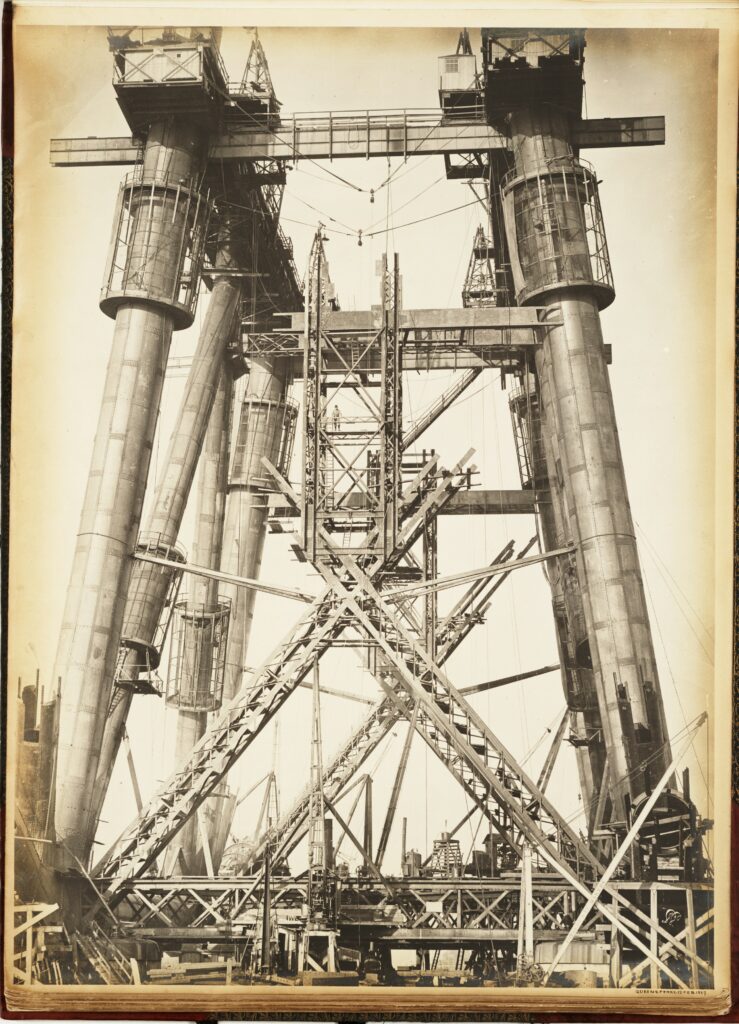
The Eiffel tower did not start as a monument to love. It was built as the grand entrance arch for the 1889 World’s Fair, marking the centennial of the French Revolution. A brilliant engineer named Gustave Eiffel designed it to showcase French industrial power to the world. It took over two years and millions of rivets to assemble the massive structure. At the time, it stood as the tallest man-made structure on earth, reaching 300 meters into the sky — a record it would hold for over four decades.
Yet, Paris did not want the Eiffel Tower. Local artists, writers, and citizens absolutely hated the design during its construction. They signed petitions calling it a giant, hideous smokestack and an eyesore that would ruin the historic beauty of the city. The original contract stated the tower would stand for only 20 years before being torn down for scrap metal.
The structure saved itself by becoming a massive radio antenna. The French military realized its height was perfect for wireless telegraphy transmissions during the world wars. Over the decades, the fierce public hatred cooled into deep pride. The industrial giant transformed into the very soul of the city, surviving protests, wars, and threats of destruction to become the global symbol we love today. With the antennas added over the following century, it now stands at 330 meters.
What Makes It Worth Visiting Today
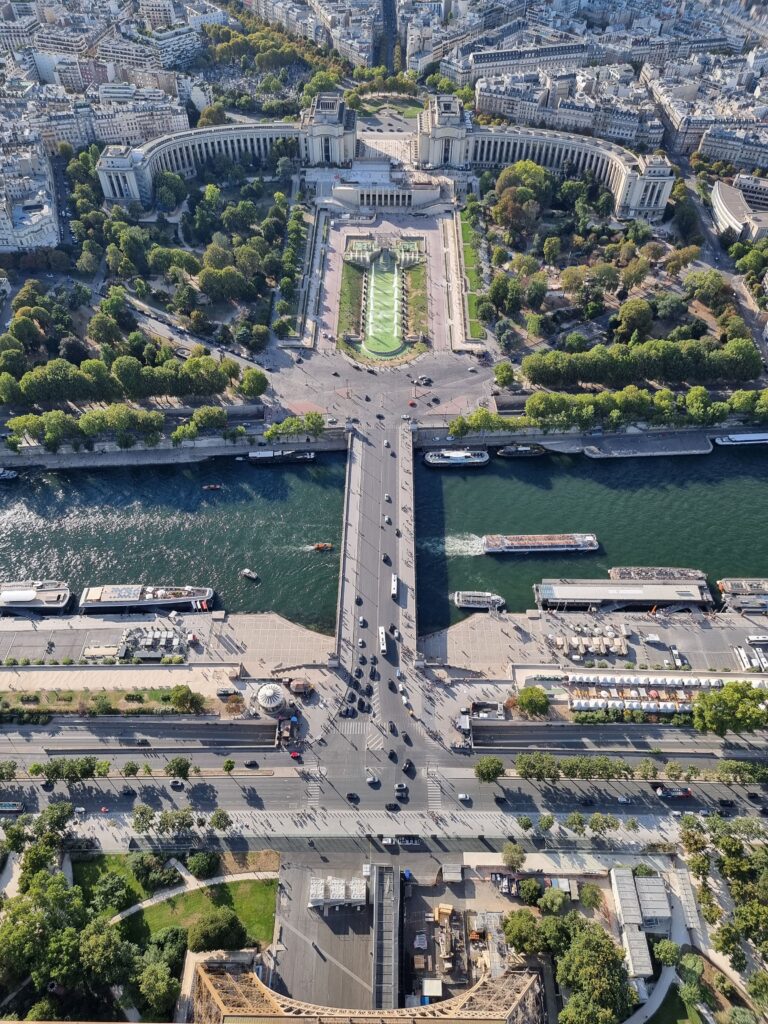
Standing beneath the massive iron legs changes your perspective entirely. The scale is dizzying. As you ascend, the city opens up below you like a living map, revealing the grand boulevards designed by Haussmann. The first level features a thrilling transparent glass floor, letting you look straight down into the crowds below.
The second level of the Eiffel Tower offers the absolute best vantage point for photography. From here, you can clearly spot the golden dome of Les Invalides, the white towers of Sacré-Cœur, and the winding ribbon of the Seine. If you choose to go all the way to the summit, you step into Gustave Eiffel’s private office, preserved exactly as it looked in the late 19th century.
The real magic happens after dark. Every single hour, the Eiffel tower puts on its famous five-minute light show. Seeing the golden glow from a distance is wonderful, but standing directly underneath when the sparkling begins is unforgettable. The entire structure feels alive. The transition from daylight viewing to the evening show requires good planning to avoid frustration.
👉 Skip-the-line Eiffel Tower and Louvre tickets
Nobody wants to fly across the ocean just to spend four hours waiting in a security line under the hot sun or rain. Booking a skip-the-line ticket ahead of time secures your time slot and protects your precious vacation hours.
Making the Most of Your Visit
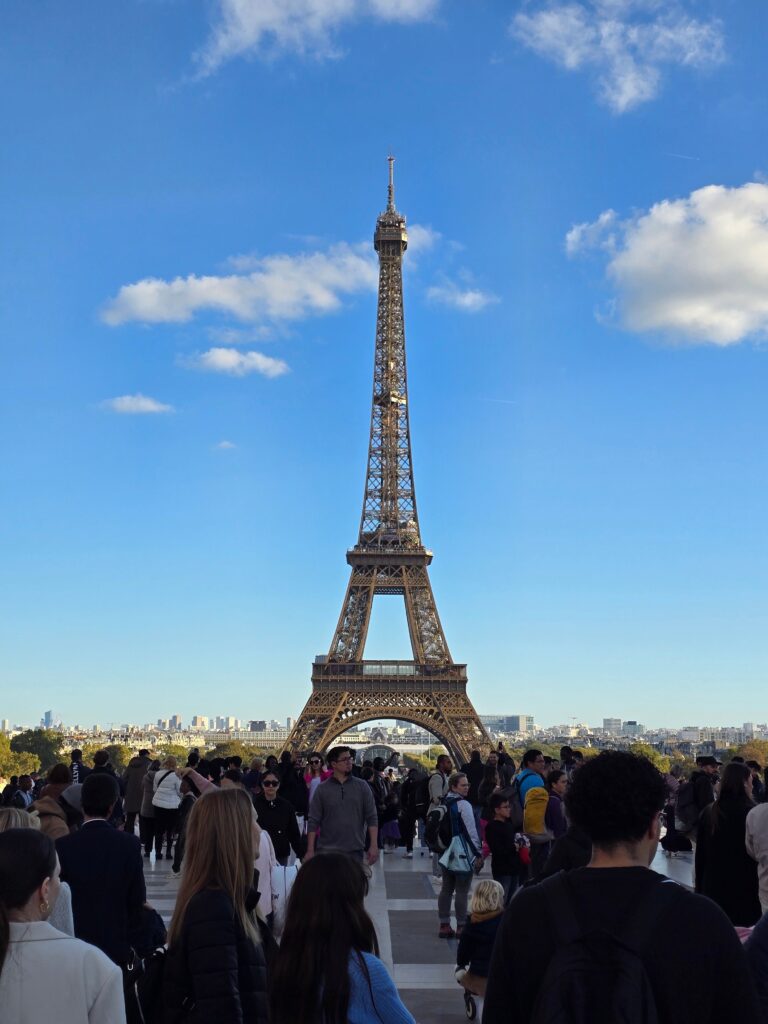
Timing is everything when planning your visit to the Eiffel tower. The absolute best strategy is to book a time slot about an hour before sunset. This timing rewards you with three distinct experiences for the price of one ticket. You get to see the city bathed in golden daylight, enjoy the twilight colors over the rooftops, and watch the evening lights come alive.
If you want to beat the heaviest crowds, choose the earliest morning slots on a weekday. Most tour buses arrive around mid-day, turning the plaza into a sea of selfie sticks. Budget at least two to three hours for your visit, especially if you plan to ascend to the summit. Security checks are strict, and the elevators take time to move large crowds between the different floors.
Planning Your Trip
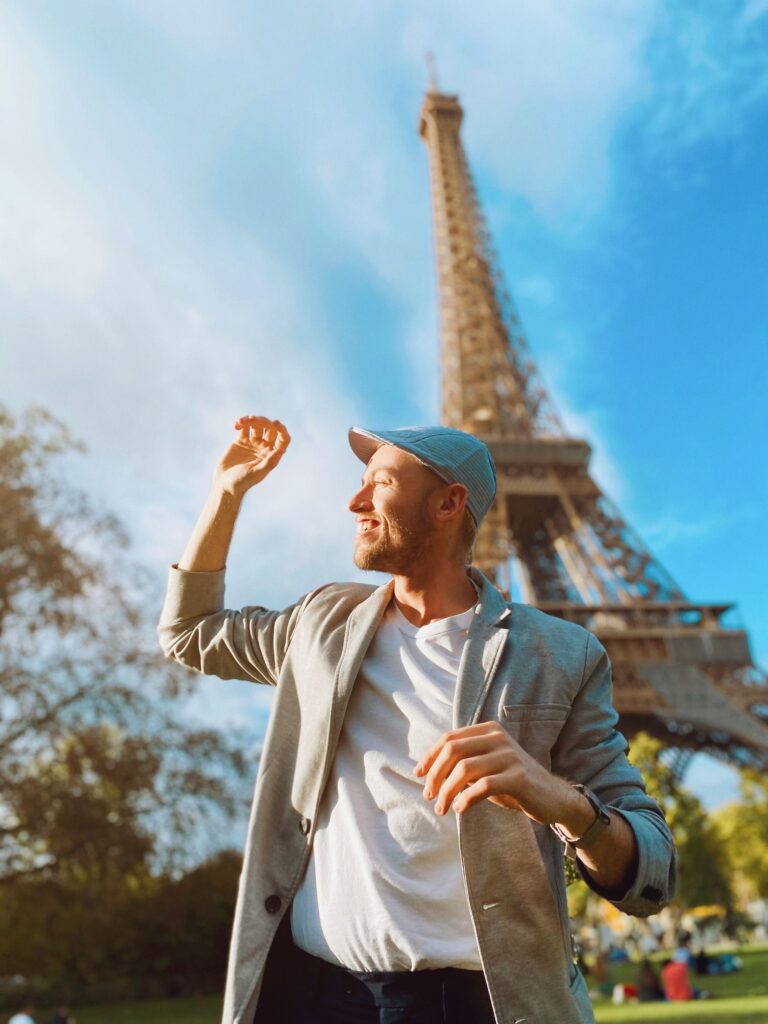
A successful trip to Paris relies on your choices before you leave home. Finding the right neighborhood to base yourself makes all the difference in your daily experience. Staying nearby lets you walk to the river banks whenever you want to see the nightly light show without worrying about late-night metro schedules.
👉 Paris Pass for multiple attractions
If your dream trip includes exploring more historic spots beyond the tower, look into a multi-attraction pass. Combining your entry tickets for the Arc de Triomphe, river cruises, and museums saves significant money and streamlines your entry process.
👉 Find hotels near the Eiffel Tower
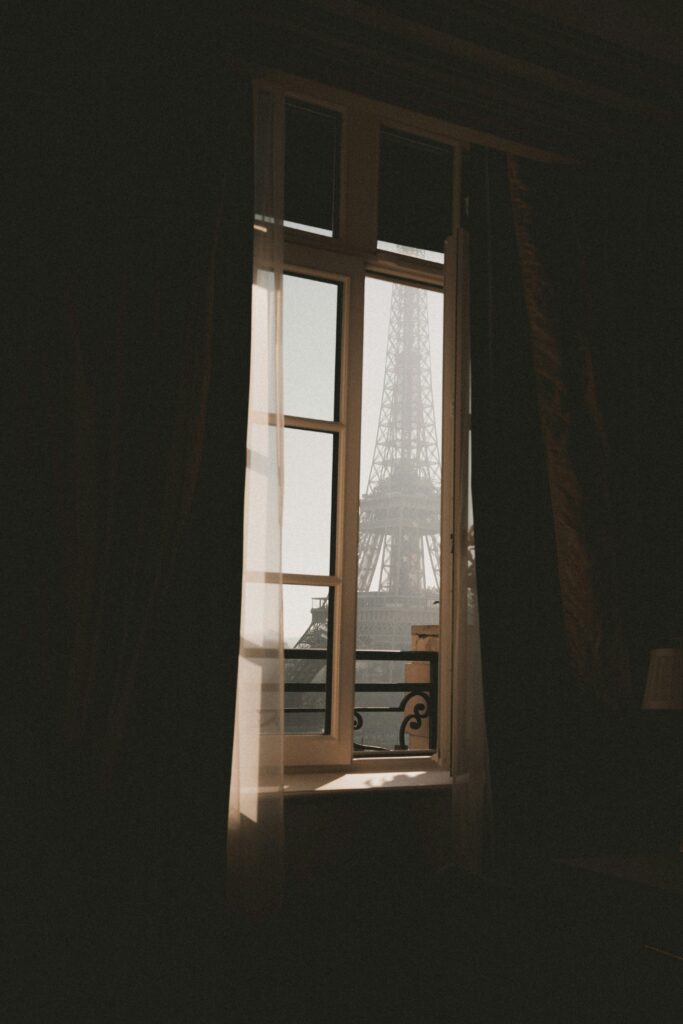
Your view from your hotel window sets the entire mood for your vacation. Finding a comfortable spot in the 7th or 15th arrondissement keeps you steps away from the best cafes and iconic views. Planning to extend your stay? Check out our 3-day Paris itinerary for the ultimate first-timer guide.
👉 Stay connected with an e-SIM for France
Navigating the historic streets and sharing your sunset photos requires a reliable data connection. Downloading a digital travel SIM card before you land ensures you avoid massive roaming fees and stay connected the moment you arrive.
The Eiffel Tower has survived controversy, war, and near-demolition to become the heartbeat of Paris. Whether you’re chasing that golden-hour photo from the Trocadéro or the nightly light show from directly underneath, the only thing standing between you and that view is a flight booked and a plan in place.